
When people think of a safari in Kenya, they usually think of the Masai Mara. Endless grasslands, scattered acacias, lions in the long grass and, in summer, hundreds of thousands of wildebeest crossing the river. It's one of Africa's most famous wildlife areas, and for good reason.
To be honest up front: the Masai Mara isn't on the route of our cycling trips. Riding among lions and buffalo isn't allowed, and rightly so. But I'm often asked whether you can combine a Mara safari with the Kenya Bike Trail. The answer is yes. Hence this guide.
The Masai Mara at a glance
- Location: south-west Kenya, along the border with Tanzania.
- Borders: the Serengeti in Tanzania. Together they form one large ecosystem where animals move freely back and forth.
- Management: the national reserve is run by Narok County, not the Kenya Wildlife Service. That's why fees and payment systems differ from the national parks.
- Conservancies: around the reserve lie private conservation areas, managed with Maasai communities. They have fewer vehicles and often allow more, such as walking safaris and night drives.
The Great Migration
The spectacle that made the Mara world-famous: every year, huge herds of wildebeest, zebra and gazelle move in a loop through the Serengeti and the Masai Mara in search of fresh grass. Roughly from July to October they're in the Mara. The crossing of the Mara River, with crocodiles waiting their chance, is the moment photographers wait years for.
Two caveats:
- Nature doesn't follow a calendar. The timing and location of crossings vary from year to year.
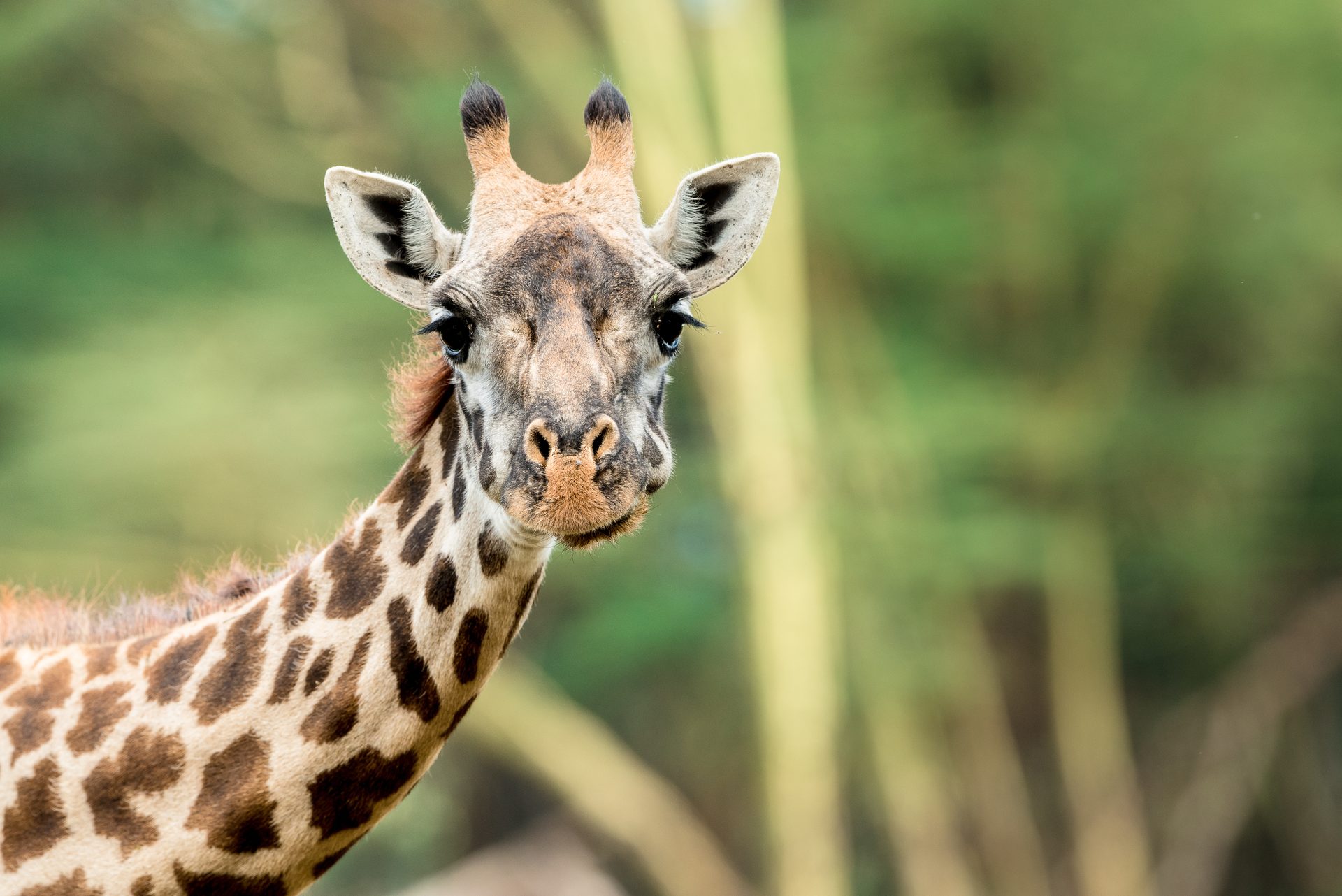
- The Mara is beautiful outside the migration too. The residents stay: lions, elephants, giraffes, hippos, cheetahs and leopards. It's also quieter and cheaper.
What does entry cost?
Since 2025, Narok County has charged non-residents a seasonal rate:
- January to June: around USD 100 per person per day
- July to December: around USD 200 per person per day
A day ticket is valid for 12 hours. If you stay in a conservancy, you pay its own fee, often included in the lodge price. Fees are adjusted regularly, so check with your agent or lodge before booking.
Getting there
- By road: from Nairobi it's a five- to six-hour drive, the last part on bumpy roads. You drive through the Rift Valley, with great views along the way.
- By domestic flight: small planes fly from Wilson Airport in Nairobi to airstrips in the Mara. The flight takes about an hour. More expensive, but you save a whole day. Note: the baggage limit is usually 15 kg in a soft bag.
When to go
- July to October: the migration, but also the crowds and the highest prices.
- January to March: dry, green after the short rains, quieter and on the lower rate. Exactly the period of the Kenya Bike Trail.
- April and May: the long rains. Some camps close, roads get muddy.
Combining it with the Kenya Bike Trail
The Kenya Bike Trail runs from 27 February to 6 March 2027, through the Rift Valley, Hell's Gate and the Aberdare range. A Mara safari fits perfectly as an extension afterwards:
- After the ride: your legs have worked for a week; now they can rest. Two or three days in the Mara is the ideal finale.
- Lower rate: early March still falls in the cheaper season.
- Logistics: from Nairobi, the small plane gets you to the reserve in an hour. You can leave your bike behind and travel with just a soft bag.
My tip: book your safari with a well-reviewed local operator, and ask about staying in a conservancy. Fewer vehicles around a lion makes a big difference.
Practical tips
- Bring binoculars. The guide sees everything; you only see it with binoculars.
- Neutral colours. Khaki, olive and beige. Avoid bright blue and black, which attract tsetse flies.
- Layers. Early mornings in an open safari vehicle are chilly, afternoons are hot.
- Respect the Maasai. Always ask permission before photographing someone.
- Expect nothing, enjoy everything. Some mornings you see the Big Five, some days mostly wildebeest. That's part of it.
Why cycling and safari go so well together
On a bike you experience Kenya up close: the villages, the people, the smells and the sun, every kilometre earned. From a safari vehicle you watch the wild Africa you can't approach by bike. Together they give the full picture. After a week of pedalling in the Rift Valley, a few days of leaning back in the Mara is a well-earned reward.
👉 See the Kenya Bike Trail, 27 February to 6 March 2027
Information checked in November 2026. Narok County and lodge fees are adjusted regularly: check before you book.